

Hands-on therapy for babies, from the very first weeks.
Kinspire helps babies from birth to 12 months and beyond to move, feed and grow more comfortably, and shows you how to help at home.
BCBS and Cigna acceptedPrivate pay welcome
Does this sound familiar?
These are the worries parents bring to us most. Tap one for Dennise’s answer.
“His head is getting flat on one side.”
It depends on what’s causing it. If your baby favors one side, or has a tongue tie or high palate, the flat spot often won’t round out on its own.
Helmets usually aren’t fitted before 4 months. When we see a baby before then, we can often shorten the time in one, and in some cases avoid it altogether, depending on severity.
“She tenses up at the breast or the bottle.”
It can come from a few places: a tongue tie, a buccal (cheek) tie, or low muscle tone that makes your baby’s whole body work harder to feed. Only a doctor or dentist can diagnose a tie, but we look at the whole picture and help, before and after a release.
“Tummy time is nonstop screaming.”
You’re not doing it wrong. Crying is how your baby tells you something is hard. We teach a step-by-step way to roll your baby into and out of tummy time at a pace they can handle, so they build strength and trust with you.
“He only turns his head one way.”
That’s a sign of tension, or full torticollis. We gently release the tension and show you simple ways to help your baby turn both ways on their own. It’s often tied to head shape, so we look at both.
“She isn’t rolling yet.”
Babies usually start exploring rolling around 4 months. If your baby isn’t rolling by 6 months, it’s time for an evaluation to find out why.
Your baby’s first yearGrowing up: ages 1 to 8
Every baby moves at their own pace. These are the markers we watch, and the two ages when acting early matters most.Every child grows at their own pace. These are the everyday skills we watch for as they move, play and learn.

2 weeks
Gets comfortable lying on their tummy.

2 months
Lifts their head briefly during tummy time.
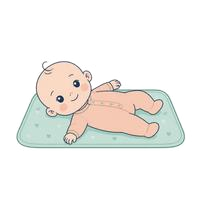
3 months
Flat spot? Come in before 4 months, when helmets are usually fitted.
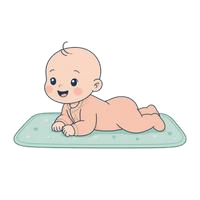
4 months
Holds head steady and pushes up on forearms. Starts exploring rolling.

6 months
Sits without support. Not rolling by 6 months? It’s time for an evaluation.

9 months
Crawls, and pulls up to stand (often from 8 months).

10 months
Brings a loaded spoon to their own mouth.

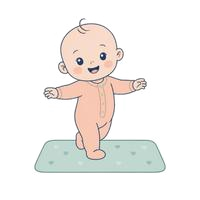
12–14 months
Takes first steps.




Milestones adapted from the CDC’s “Learn the Signs. Act Early.” guidance; 6 and 8 years are common occupational therapy benchmarks.
How it works
A free 15-minute call
Tell us what you’re seeing. We’ll tell you honestly whether we can help.
An evaluation
We look at how your baby moves, feeds and holds tension. It takes about an hour and starts with your baby’s history.
Sessions and a home plan
Gentle hands-on therapy in the clinic, plus simple things you can do at home between visits.





Meet Dennise
Dennise Benavides, MOT, OTR, has spent 14 years in pediatric therapy, most of them focused on babies. Her advanced training is in the hands-on work infants need.
- Craniosacral therapy
- Myofascial release
- BabyMyo™
- TummyTime!® Method
- Pre- and post-frenectomy care
- Reflex integration


Insurance, simply
- In network with BCBS and Cigna.
- Referrals welcome from pediatricians, pediatric dentists and chiropractors.
- Private pay welcome. Ask about rates on your free consult call.
Older kiddos, too
We also work with toddlers and older children on sensory processing, retained reflexes and emotional regulation.
Services for older kiddos
If you’re worried about it, it’s worth a 15-minute call.
Free, and an honest answer about whether we can help.